
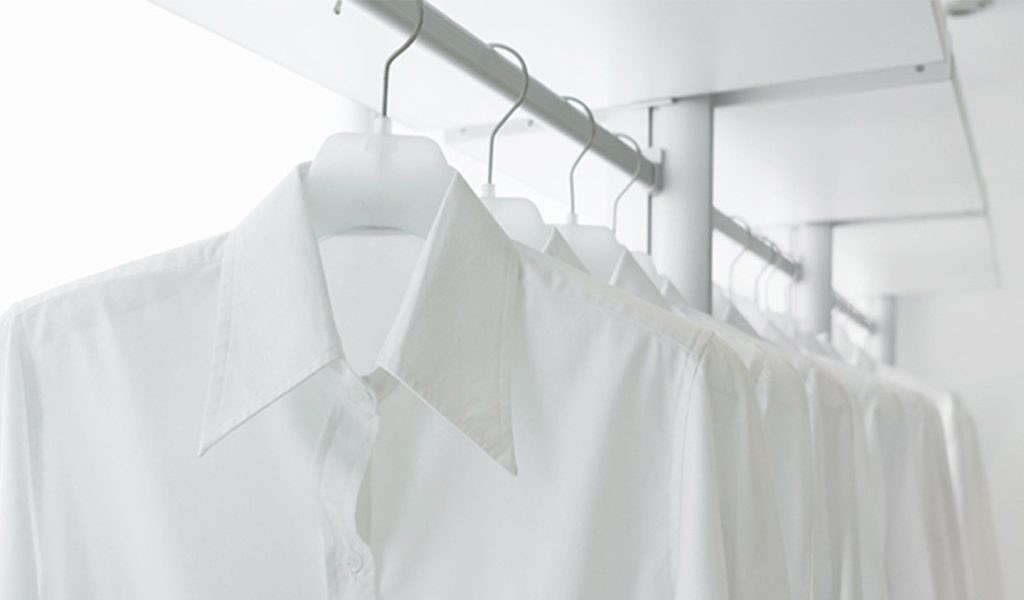
To dry clean white clothes at the right time is essential if you want to preserve brightness, prevent yellowing, and maintain fabric quality over the long term. White garments are more prone to visible stains, discoloration, and fabric wear than darker items, which makes choosing the correct cleaning method even more important.
White clothing is often associated with cleanliness, freshness, and elegance, but maintaining that bright appearance requires more care than many people realise. Factors such as sweat, body oils, deodorants, environmental pollution, dust, and improper washing techniques can gradually affect the appearance of white fabrics. Even small mistakes during washing can lead to dullness, fading, or yellowing over time.
Unlike darker clothes that can sometimes hide minor stains or wear, white garments reveal almost every imperfection. This means they require more careful maintenance and a more controlled cleaning process to remain in excellent condition.
In this comprehensive guide, we will explain when and why you should dry clean white clothes, what types of garments benefit most from professional care, and how to maintain their appearance, brightness, and fabric quality for as long as possible.
When to Dry Clean White Clothes for Delicate Fabrics
Knowing when to dry clean white clothes is especially important for delicate fabrics.
Materials such as silk, lace, chiffon, satin, and fine cotton blends are highly sensitive to water, heat, and mechanical agitation. Washing these fabrics at home can lead to shrinkage, fibre damage, loss of texture, or stretching. In addition, delicate white fabrics are more likely to show uneven cleaning results or slight discoloration after improper washing.
Dry cleaning uses specialised solvents instead of water, allowing dirt, oils, and residues to be removed without damaging the fibres. This process helps preserve both the structure and brightness of delicate garments.
Another important advantage is that professional cleaning processes are carefully controlled. Temperature, cleaning time, and fabric handling are adjusted according to the garment’s material and condition. This reduces stress on the fibres and ensures a safer cleaning process.
As a result, delicate white garments remain soft, smooth, elegant, and visually appealing for a much longer period.
When to Dry Clean White Clothes for Structured Garments
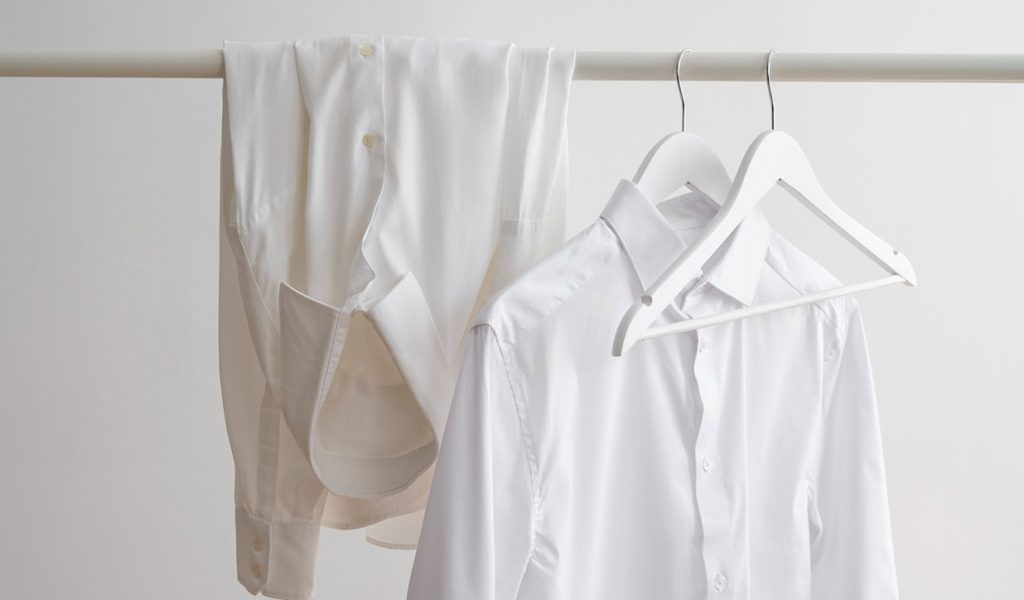
Another key situation to dry clean white clothes is when dealing with structured garments.
Items such as suits, blazers, coats, jackets, and formal dresses often include internal linings, padding, interfacing, and stitching that give them their shape. Washing machines can disrupt these internal structures, causing garments to lose their form or fit unevenly.
When structured garments absorb water, certain areas may shrink or stretch differently. This can result in twisted sleeves, uneven shoulders, or distorted shapes that are difficult to correct.
Professional cleaning ensures that both the outer fabric and internal construction remain intact. This is particularly important for white formal wear, where even minor distortion or discoloration can be highly noticeable.
In addition, professional pressing and finishing techniques help garments maintain a crisp, polished, and elegant appearance after cleaning.
When to Dry Clean White Clothes for Long-Term Brightness
A major reason to dry clean white clothes is to maintain long-term brightness and prevent yellowing.
White fabrics are more vulnerable to staining from sweat, deodorants, body oils, and environmental pollutants. Over time, these substances can build up and cause a dull or yellow appearance, even if the garment looks clean after washing.
Repeated home washing can sometimes worsen this problem. Detergent residue and mineral deposits from water may remain inside the fibres, gradually reducing brightness.
Dry cleaning removes these residues more effectively than standard washing, helping to restore and maintain the original brightness of the fabric.
This process also helps preserve colour consistency across the garment, preventing uneven tones or dull patches from developing.
Signs That White Clothes Need Dry Cleaning
There are several clear signs that indicate when professional cleaning is necessary.
If a garment has stubborn stains that do not come out with regular washing, it is best to avoid repeated washing attempts. Over-washing can weaken fibres and make stains more difficult to remove.
Another sign is a noticeable loss of brightness. If white clothing begins to look dull, grey, or slightly yellow, professional cleaning can help restore its appearance.
Garments with delicate fabrics or complex construction should also be cleaned professionally, especially if they are expensive or used for formal occasions.
Additionally, white garments worn in professional or business environments benefit from dry cleaning because they require a consistently polished and fresh appearance.
Why Home Washing Is Not Always Enough
While home washing can be effective for everyday items, it is not always suitable for white garments that require extra care.
Detergents, water temperature, and washing machine cycles can all affect fabric quality. Even small mistakes, such as using too much detergent, incorrect bleach products, or washing at the wrong temperature, can lead to fading or uneven colouring.
Repeated washing also causes gradual wear and tear. Fibres become weaker, and the fabric may lose its smooth texture and softness.
In addition, washing machines create mechanical friction that slowly damages fabrics over time. This may not be immediately visible, but repeated exposure eventually affects the garment’s appearance and durability.
This is why many people choose to dry clean white clothes when they want to preserve both quality and appearance.
Stain Removal and Professional Cleaning
White clothing is more prone to visible stains than darker garments.
Oil-based stains, makeup, food spills, perspiration marks, and environmental dirt can be difficult to remove with water alone. In some cases, incorrect treatment can spread the stain or cause permanent marks.
Professional cleaners use targeted techniques to break down different types of stains without damaging the fabric. This ensures a more effective and even cleaning result.
Different stains require different treatment methods, and professional cleaners understand how to apply the safest and most effective solution for each fabric type.
Because of this, it is often safer to dry clean white clothes when dealing with stubborn or complex stains.
Frequency of Dry Cleaning White Clothes
How often you should dry clean white clothing depends on how frequently it is worn and the type of garment.
Everyday items such as shirts may not need frequent professional cleaning unless they are made from delicate materials. However, formal wear, suits, jackets, and high-quality garments should be cleaned professionally more regularly to maintain their condition.
Over-cleaning should also be avoided. While professional cleaning is safe, excessive processing can still contribute to gradual wear over time. It is best to find a balance based on usage, fabric type, and exposure to stains.
As a general guideline, garments worn occasionally can be cleaned after several uses, while heavily used or stained items may require more immediate attention.
Long-Term Benefits of Professional Care
Choosing the right cleaning method has a significant impact on the lifespan of your clothing.
Professional cleaning helps preserve fabric strength, maintain colour consistency, and prevent damage. This reduces the need for frequent replacements and keeps your wardrobe looking fresh.
In the long term, investing in proper garment care can save money and improve the overall quality of your clothing collection.
Well-maintained white garments also retain a more luxurious and elegant appearance, making them look newer for longer.
Professional Finishing and Presentation
One of the biggest advantages of dry cleaning is the finishing process.
Professional cleaners use pressing and steaming techniques that are difficult to replicate at home. These methods help garments maintain a crisp and refined appearance.
White clothing especially benefits from professional finishing because wrinkles, dullness, or uneven texture are much more visible on lighter fabrics.
As a result, professionally cleaned white garments often look cleaner, brighter, and more polished than clothing washed at home.
Tips for Maintaining White Clothes Between Cleanings
Even when using professional services, there are steps you can take at home to keep white clothing in good condition.
Avoid mixing white garments with coloured items during washing, as this can cause colour transfer. Use mild detergents designed for white fabrics and avoid excessive heat during drying.
Proper storage is also important. Keep white clothing in a clean, dry environment and avoid prolonged exposure to sunlight, which can cause discoloration.
Using breathable garment covers can also help protect fabrics from dust and humidity while allowing airflow.
By following these habits, you can reduce the frequency of cleaning and maintain garment quality for a much longer period.
Sustainability and Clothing Care
Taking proper care of white garments also contributes to sustainability.
Extending the lifespan of clothing reduces waste and lowers the environmental impact of replacing garments too frequently. Instead of discarding damaged or yellowed clothing, professional care helps maintain garments in wearable condition for longer.
This makes dry cleaning not only a practical choice for appearance and quality but also a smarter long-term approach to clothing care.
Conclusion
Understanding when to dry clean white clothes is essential for maintaining their brightness, structure, and overall quality. White garments require more careful handling than other clothing, and improper cleaning methods can lead to long-term damage.
By recognising the right situations for professional cleaning and combining it with proper care at home, you can keep your white clothes looking fresh, clean, bright, and elegant for years to come.
With the correct approach, professional cleaning becomes an investment in both the appearance and longevity of your wardrobe.



No comment