Why Wool Clothes Should Be Dry Cleaned
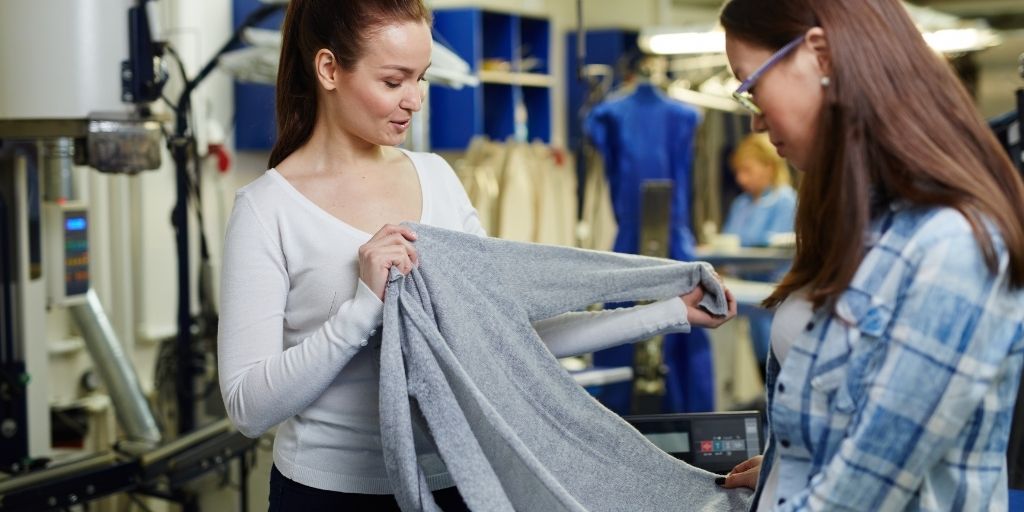
Why wool clothes should be dry cleaned is an important topic for anyone who wants to preserve the quality, softness, and durability of their garments. Wool is a natural fibre known for its warmth, breathability, and comfort, but it is also highly sensitive to water, heat, and friction. Understanding why wool clothes should be dry cleaned helps prevent shrinkage, distortion, fibre damage, and long-term wear that can easily occur with improper washing methods.
Wool fibres have a unique biological structure that reacts very differently compared to synthetic or cotton fabrics. Each fibre is coated with microscopic scales that can lock together when exposed to moisture and agitation. When this happens, the fabric undergoes a process called felting, which causes permanent shrinkage and a noticeable change in texture. Many people mistakenly treat wool garments like regular clothing, only to find that their favourite sweater or coat becomes smaller, stiffer, or misshapen after a single wash.
In addition, wool garments are often more expensive and designed for long-term use. Whether it is a tailored wool coat, a business suit, or a premium knit sweater, maintaining the condition of these garments requires a careful and controlled cleaning approach. In this comprehensive guide, we will explore why wool clothes should be dry cleaned, how professional cleaning protects wool fibres, and when it is essential to choose dry cleaning over home washing.
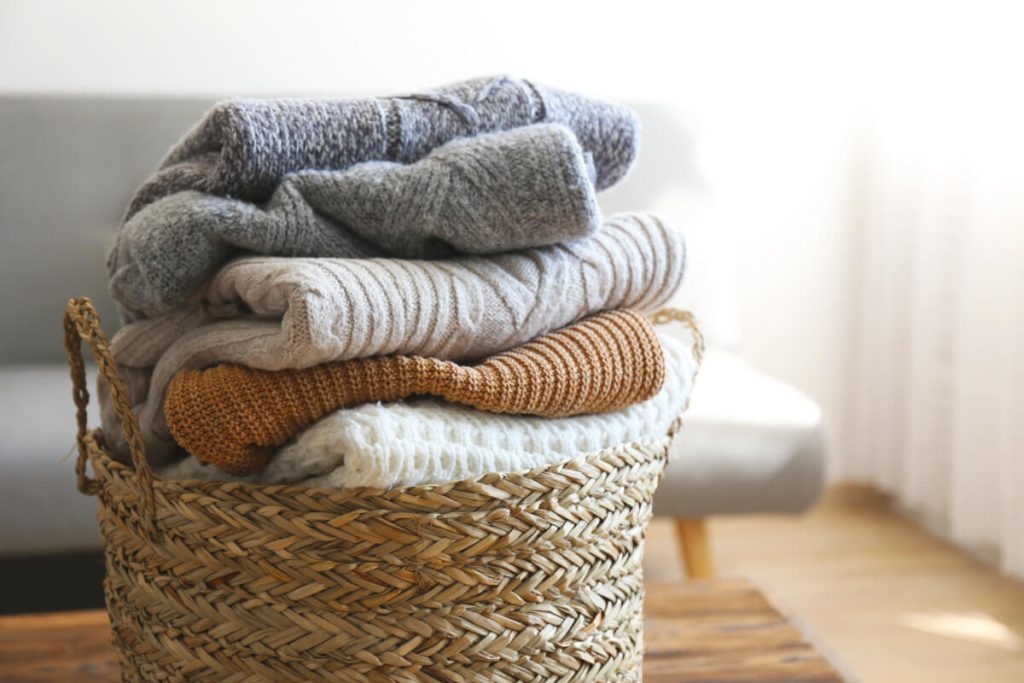
Why Wool Clothes Should Be Dry Cleaned for Fibre Protection
One of the main reasons wool clothes should be dry cleaned is to protect the delicate structure of wool fibres.
Wool is made of natural protein fibres that are covered in tiny overlapping scales. When exposed to water, heat, and movement, these scales open up and begin to interlock. This process causes the fabric to shrink, tighten, and become denser. Once this happens, the garment often cannot be restored to its original form.
Dry cleaning avoids this issue entirely by using specialised solvents instead of water. These solvents gently dissolve dirt, oils, and contaminants without causing the fibres to swell or interlock. This ensures that the natural structure of the wool remains intact.
Another important advantage is that professional cleaning processes are carefully controlled. Temperature, timing, and handling are all managed to minimise stress on the fibres. This level of precision is not possible with standard home washing.
By preventing felting and fibre damage, professional cleaning ensures that wool garments remain comfortable, flexible, and wearable over time.
How Wool Clothes Should Be Dry Cleaned to Maintain Shape and Fit
Another critical reason wool clothes should be dry cleaned is to preserve the garment’s shape and structure.
Wool clothing, especially items such as suits, coats, and sweaters, often relies on precise tailoring and construction to maintain its fit. These garments may include internal linings, stitching, and shaping elements that help them retain their form.
When washed at home, wool garments can stretch unevenly or shrink in certain areas. This leads to distortion, making the garment look unbalanced or poorly fitted. In some cases, sleeves may shorten, or the body of the garment may tighten.
Professional cleaning uses controlled processes that avoid excessive moisture and agitation. Garments are handled carefully to ensure that their original dimensions are preserved. This helps maintain the intended fit and structure.
When garments retain their shape, they not only look better but also feel more comfortable to wear.
Why Wool Clothes Should Be Dry Cleaned for Long-Term Quality
A key reason wool clothes should be dry cleaned is the long-term preservation of quality.
Repeated washing exposes wool fibres to mechanical stress, chemical interaction, and temperature changes. Over time, this weakens the fibres and reduces their durability. Wool garments may become thinner, rougher, and less resilient.
Once wool fibres are damaged, it is extremely difficult to restore their original softness and strength. This makes prevention the most effective strategy.
Professional cleaning minimises this stress by using gentle solvents and controlled handling techniques. This helps maintain fibre strength, elasticity, and texture.
As a result, wool garments stay softer, smoother, and more durable for a significantly longer period.
The Impact of Water and Heat on Wool Fabrics
Water and heat are particularly harmful to wool fabrics and are among the main causes of damage.
When wool absorbs water, the fibres expand and become more fragile. This makes them highly susceptible to stretching and distortion during movement. Heat accelerates this process, increasing the risk of shrinkage and permanent deformation.
Even lukewarm water can trigger fibre contraction, while high temperatures in dryers can irreversibly alter the garment’s shape. This is why many wool garments come with strict care labels advising against machine washing.
Dry cleaning eliminates these risks by avoiding water entirely. This ensures that the fabric remains stable and retains its original form and texture.
Why Home Washing Often Damages Wool Clothing
Many people attempt to wash wool garments at home using delicate cycles or cold water. While these methods may reduce some risk, they do not eliminate it.
Washing machines still create movement and friction, which can affect the fibres. Even minimal agitation can lead to gradual wear and damage. In addition, detergents—even those designed for delicate fabrics—can strip natural oils from wool.
These oils are essential for maintaining softness and flexibility. Without them, wool can become dry, rough, and less comfortable to wear.
Improper drying methods can further increase damage. Hanging wet wool garments may cause stretching, while tumble drying can lead to shrinkage.
Because of these risks, professional care is often the safest option for maintaining wool clothing.
Stain Removal and Wool Garments
Stain removal on wool requires a high level of care and precision.
Using harsh chemicals or scrubbing techniques can damage the fibres and spread the stain further. Certain stains may bond with wool fibres, making them difficult to remove with standard cleaning methods.
Professional cleaning uses targeted techniques based on both the type of stain and the fabric characteristics. This ensures that stains are treated effectively without harming the garment.
Because of this level of precision, wool clothes should be dry cleaned when dealing with stains that require careful and controlled treatment.
When You Should Choose Dry Cleaning for Wool Clothes
There are specific situations where dry cleaning is strongly recommended.
You should consider dry cleaning when:
- The garment is made from high-quality wool
- The item has a structured or tailored design
- The clothing is labelled “Dry Clean Only”
- The garment has stains, odours, or visible dirt
- The item is valuable or used for formal occasions
- The fabric is blended with other delicate materials
Recognising these situations allows you to protect your garments and avoid unnecessary damage.
Long-Term Benefits of Professional Wool Care
Proper care has a direct impact on how long wool garments last.
Frequent washing can weaken fibres and reduce durability. Over time, garments may lose their softness, shape, and visual appeal. Colours may fade, and the fabric may appear worn.
Professional cleaning reduces this damage by using controlled processes that protect both fibre structure and surface texture. This helps extend the lifespan of wool clothing and maintain its appearance.
Because of these advantages, many people choose professional cleaning for their most valuable garments.
Additional Tips for Caring for Wool Clothes
Even with professional cleaning, there are important steps you can take at home to protect wool garments.
Avoid washing wool too frequently, as unnecessary cleaning increases wear. When storing wool clothing, keep it in a cool, dry place away from moisture and sunlight.
Folding sweaters instead of hanging them helps prevent stretching. Using padded hangers for coats and structured garments can help maintain shape.
It is also important to protect wool from moths and pests. Using cedar blocks or natural repellents can help prevent damage during storage.
Combining these habits with professional cleaning ensures the best possible results and long-term garment care.
Conclusion
Understanding why wool clothes should be dry cleaned is essential for maintaining the quality and longevity of wool garments. Wool is a delicate and valuable material that requires careful handling to preserve its natural properties.
By choosing professional cleaning when necessary, you can prevent shrinkage, protect fibre structure, and maintain the appearance of your clothing. Dry cleaning provides a safer and more effective solution compared to home washing.
With the right approach, your wool garments can remain soft, well-shaped, visually appealing, and in excellent condition for many years.