How Dry Cleaning Removes Yellow Stains from White Clothes
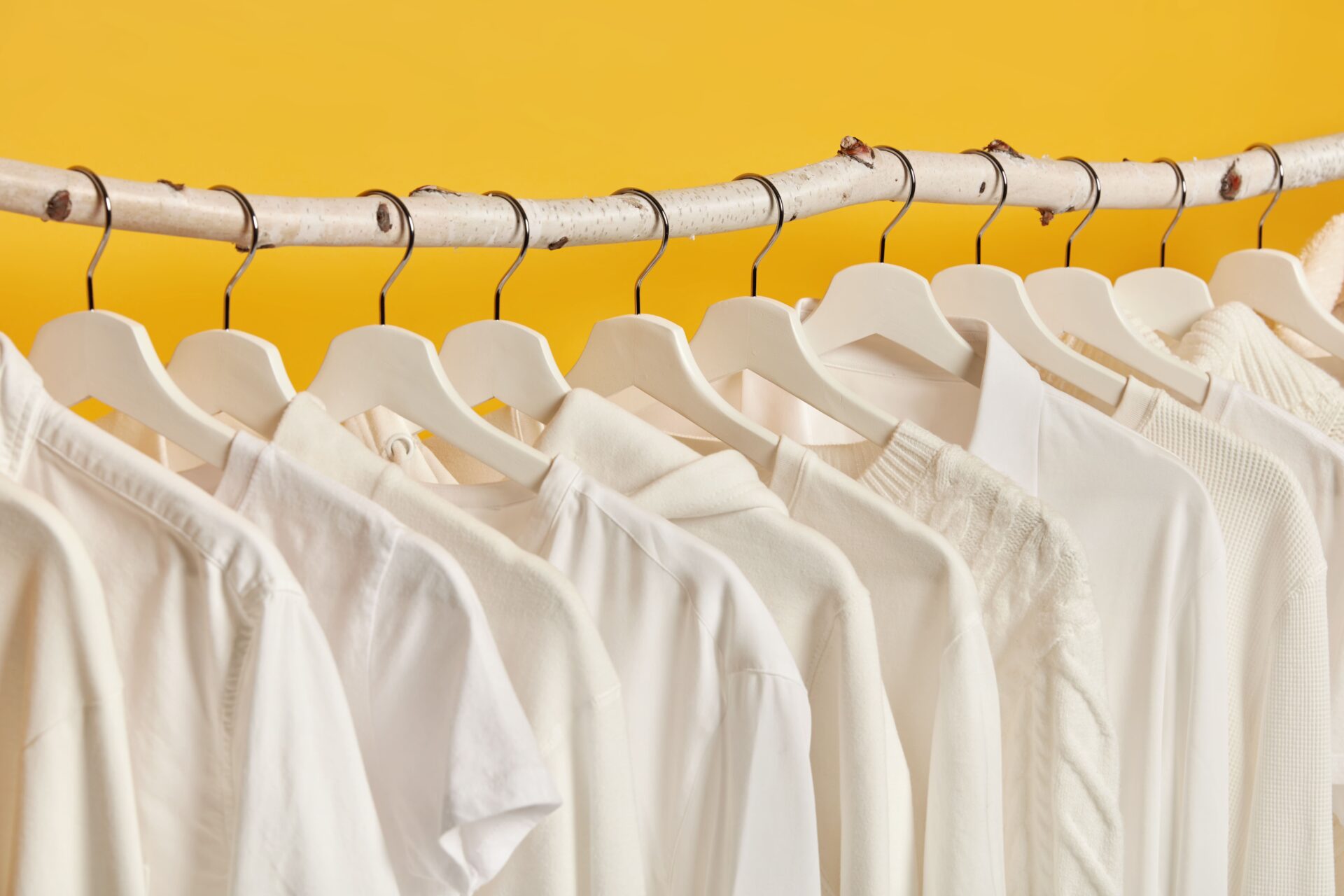
Yellow stains from white clothes more easily than many people realise, especially when fabrics are exposed to sweat, body oils, heat, improper washing methods, or long-term storage. White garments are highly sensitive to discoloration, and even high-quality fabrics can gradually develop yellow marks over time. Understanding how professional dry cleaning works can help restore brightness and preserve the original appearance of white garments.
White clothing is often associated with cleanliness, elegance, and freshness, but maintaining that bright appearance requires proper care. Unlike darker fabrics, white clothes show stains and discoloration much more clearly, making them more difficult to maintain with regular home washing alone.
Many people try to remove yellow stains using bleach or harsh detergents, but these methods can sometimes damage fibres, weaken fabrics, or even worsen discoloration. This is why professional dry cleaning is often considered the safest and most effective solution.
In this complete guide, we will explain why yellow stains from white clothes, how dry cleaning removes these stains, and the best ways to maintain white garments over the long term.
Yellow Stains from White Clothes Because of Sweat and Body Oils
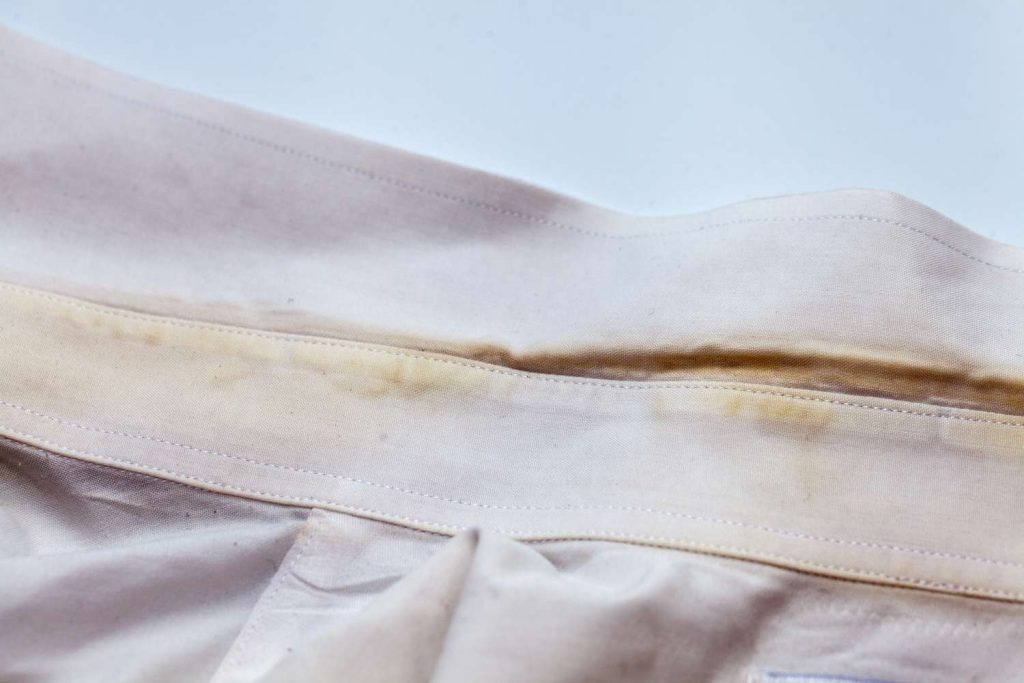
One of the main reasons yellow stains white clothes is the buildup of sweat and natural body oils.
When sweat combines with deodorants, perfumes, and bacteria, it creates chemical reactions that gradually produce yellow discoloration. These stains are especially common around collars, underarms, cuffs, and areas with frequent skin contact.
Over time, repeated washing at home may not completely remove these substances. Instead, residues can build up inside the fibres and become more visible.
Dry cleaning removes oils and residues more effectively than standard washing because it uses specialised solvents designed to break down stains gently without damaging the fabric.
Yellow Stains from White Clothes When Washed Incorrectly
Another major reason yellow stains white clothes is improper washing techniques.
Using too much detergent, washing at the wrong temperature, or mixing white garments with coloured fabrics can gradually affect brightness and colour consistency.
In some cases, detergent residue remains trapped inside fibres, causing fabrics to appear dull or slightly yellow. Hard water minerals may also contribute to discoloration over time.
Professional dry cleaning avoids many of these problems by using controlled cleaning processes that remove dirt and residue without exposing fabrics to excessive stress.
Yellow Stains from White Clothes During Long-Term Storage
A major reason yellow stains white clothes is poor storage conditions.
White garments stored for long periods may develop yellow discoloration due to humidity, heat, dust, or exposure to air pollutants. Plastic covers can also trap moisture, which may contribute to fabric yellowing.
Dry cleaning before storage helps remove invisible oils and contaminants that can gradually cause stains over time.
Proper garment storage combined with professional cleaning significantly reduces the risk of yellowing.
How Dry Cleaning Removes Yellow Stains
Professional dry cleaning uses specialised solvents instead of water to clean fabrics.
These solvents dissolve oils, residues, and stain particles more effectively than standard detergents. Because the cleaning process is controlled carefully, delicate white fabrics can be cleaned without shrinking, stretching, or fading.
Dry cleaning also reduces mechanical friction, which helps preserve the smooth texture and structure of white garments.
Professional cleaners often use additional stain-treatment techniques before the cleaning process begins. This allows difficult yellow stains to be treated directly before full cleaning.
Why Bleach Is Not Always the Best Solution
Many people assume bleach is the best way to remove yellow stains from white clothes.
While bleach may temporarily brighten some fabrics, excessive use can weaken fibres and cause long-term damage. Certain fabrics may even become more yellow after repeated bleach exposure.
In addition, bleach is not suitable for all materials. Delicate fabrics such as silk, wool, lace, or blended garments can be damaged quickly by strong bleaching agents.
Professional cleaning is often safer because it removes stains without relying on harsh chemicals.
Common White Garments That Benefit from Dry Cleaning
Some white garments are more vulnerable to yellowing and benefit greatly from professional care.
These include:
- White dress shirts
- Wedding dresses
- White suits and blazers
- Luxury white fabrics
- Silk or satin garments
- Formal dresses
- White coats and jackets
These garments often contain delicate fibres or structured designs that require careful cleaning.
Why Professional Stain Treatment Is More Effective
Professional cleaners understand how different stains react to different fabrics.
Yellow stains caused by sweat are different from stains caused by oils, age, or storage conditions. Because of this, professionals apply targeted treatments based on the exact cause of the discoloration.
Using incorrect stain removal methods at home may permanently set stains into the fabric. Aggressive scrubbing can also damage fibres and reduce garment quality.
Dry cleaning professionals use low-stress cleaning techniques that protect fabric integrity while removing stains effectively.
How Heat and Sunlight Affect White Clothes
Heat and sunlight play a major role in fabric yellowing.
Excessive heat from dryers, irons, or direct sunlight may weaken fibres and accelerate discoloration. White garments are especially sensitive because fading and yellowing are much more visible on lighter fabrics.
This is why delicate white garments should be dried carefully and stored away from direct sunlight.
Professional dry cleaning reduces exposure to damaging heat during the cleaning process.
Long-Term Benefits of Dry Cleaning White Clothes
Professional dry cleaning offers several important long-term benefits.
It helps preserve brightness, maintain fabric softness, and reduce wear caused by repeated washing. Proper care also extends garment lifespan and reduces the need for frequent replacements.
Because white garments often require extra maintenance to remain visually appealing, professional care helps maintain a cleaner and more polished appearance over time.
In addition, properly maintained white garments retain a more luxurious and elegant look.
Tips to Prevent Yellow Stains on White Clothes
There are several simple habits that can help reduce yellowing.
Wash white garments separately from coloured items to avoid colour transfer. Avoid excessive detergent use and choose mild products designed for delicate fabrics.
Do not leave sweaty clothing unwashed for long periods, as body oils may become more difficult to remove over time.
Store white garments in cool, dry spaces with breathable garment covers.
Regular professional cleaning also helps prevent buildup that may eventually cause yellow discoloration.
Sustainability and Proper Garment Care
Maintaining white clothing properly also supports sustainable fashion habits.
Extending the lifespan of garments reduces waste and lowers the need for frequent replacements. Instead of discarding yellowed clothing, professional cleaning helps restore garments and keep them wearable for longer periods.
This makes dry cleaning both a practical and environmentally responsible approach to garment care.
Conclusion
Understanding why yellow stains white clothes is essential for maintaining bright and elegant garments. Sweat, oils, improper washing, heat, and storage conditions all contribute to yellow discoloration over time.
Professional dry cleaning provides a safer and more effective method for removing yellow stains while protecting delicate fibres and fabric quality.
By combining professional care with proper storage and cleaning habits, you can keep white clothes looking fresh, clean, bright, and visually appealing for many years.