How to Prevent Silk Clothes from Fading
To prevent silk clothes from fading is one of the most important parts of maintaining luxurious and delicate garments. Silk is admired for its softness, smooth texture, elegant appearance, and lightweight comfort, but it is also highly sensitive to sunlight, moisture, heat, and improper washing methods. Understanding how to prevent silk clothes from fading can help preserve the beauty, colour, texture, and quality of silk garments for many years.
Silk fabrics are made from natural protein fibres that react quickly to environmental conditions. Unlike thicker or synthetic materials, silk absorbs moisture and chemicals more easily, making it vulnerable to fading and discoloration. Even small mistakes in washing, drying, ironing, or storage can gradually reduce the vibrancy of silk fabrics and permanently affect their appearance.
Many silk garments are expensive or designed for formal occasions, which makes proper care even more important. Luxury silk dresses, blouses, scarves, and evening wear are often delicate investments that require careful handling to maintain their elegance.
Protecting these garments from fading not only helps maintain their visual appearance but also extends their lifespan, comfort, and long-term value. In many cases, proper care allows silk clothing to remain in excellent condition for years longer than garments that are cleaned or stored incorrectly.
In this comprehensive guide, we will explain how to prevent silk clothes from fading, what causes silk fabrics to lose colour, and the best methods for protecting silk garments over the long term.
Prevent Silk Clothes from Fading with Proper Cleaning Methods
One of the most effective ways to prevent silk clothes from fading is by choosing the correct cleaning method.
Silk fibres are extremely delicate and can easily be damaged by strong detergents, high temperatures, excessive friction, or improper handling. Washing silk incorrectly may weaken the fibres and remove the natural shine of the fabric.
Professional dry cleaning is often the safest option because it uses specialised solvents instead of water. These solvents remove dirt, oils, and residues gently without placing stress on the fibres or affecting the dye.
Professional cleaners also use carefully controlled cleaning conditions that are designed specifically for delicate fabrics. Temperature, cleaning duration, and garment handling are adjusted according to the material and colour of the silk.
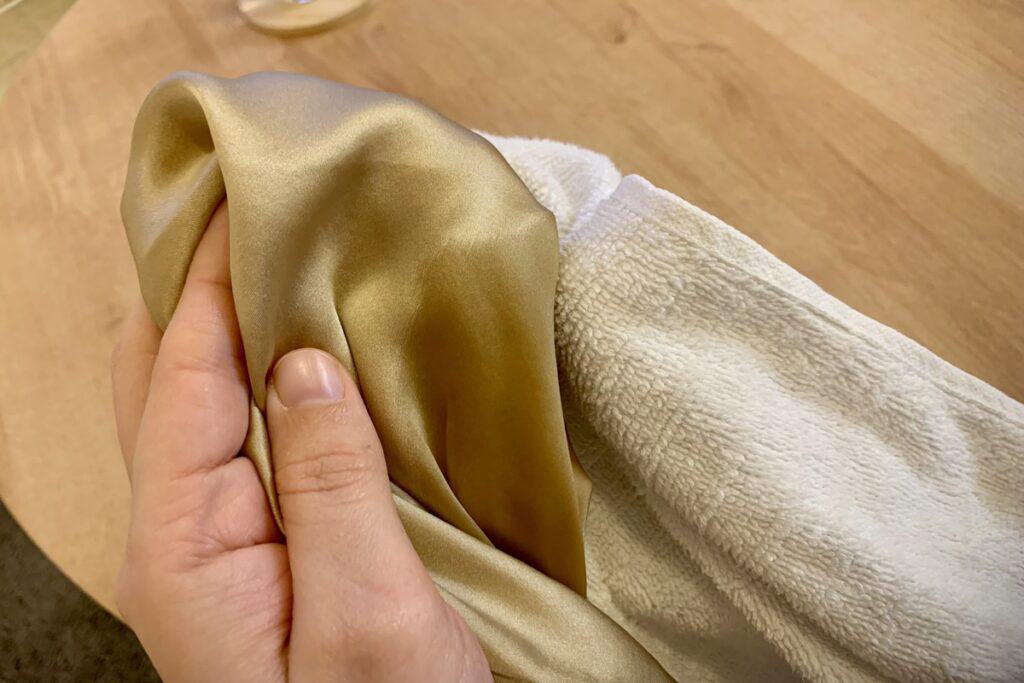
If home washing is necessary, it should only be done using cold water and mild detergents specifically designed for delicate fabrics. Silk should never be scrubbed aggressively or twisted while wet because this can damage fibres and reduce colour intensity.
Gentle handling during washing is essential for maintaining both softness and appearance.
Prevent Silk Clothes from Fading by Avoiding Sunlight Exposure
Another essential method to prevent silk clothes from fading is protecting garments from direct sunlight.
Ultraviolet rays can gradually break down silk fibres and weaken fabric dye. Over time, even a few hours of direct exposure can cause noticeable fading, especially in darker or brightly coloured silk garments.
Sunlight not only affects colour vibrancy but can also weaken the structural integrity of silk fibres. Prolonged exposure may make the fabric feel thinner, rougher, or more fragile.
This is why silk clothes should never be dried in direct sunlight. Instead, they should be air dried indoors or in shaded areas with good airflow.
When storing silk garments, keep them away from windows or areas exposed to strong sunlight. Choosing darker storage spaces or wardrobes can significantly reduce fading risks.
Prevent Silk Clothes from Fading Through Proper Storage
A major factor that helps prevent silk clothes from fading is correct storage.
Silk garments should always be stored in a cool, dry place with stable temperatures. Excess humidity may weaken fibres, while excessive heat can damage both the fabric and the colour.
Breathable garment covers are highly recommended because they protect silk from dust while allowing airflow. Plastic covers should generally be avoided because they trap moisture and increase the risk of discoloration.
Using padded hangers also helps maintain garment shape and reduces stress on delicate fibres. Heavy garments should be folded carefully to prevent stretching.
Storage conditions play a major role in preserving the colour and texture of silk over time.
Common Causes of Silk Fabric Fading
Understanding the causes of fading is important for protecting silk garments.
One of the most common causes is improper washing. Strong detergents, bleach, hot water, and aggressive stain removers can quickly damage silk fibres and strip away dye.
Sweat, perfume, deodorant, and body oils can also affect silk fabrics over time. These substances may leave marks or weaken the colour if they are not cleaned properly.
Environmental exposure is another major issue. Pollution, humidity, dust, and prolonged sunlight exposure all contribute to fading and loss of brightness.
Because silk is so delicate, even repeated friction during wear or storage can slowly affect the surface of the fabric.
Understanding these causes allows you to take preventive measures before permanent damage occurs.
Why Professional Dry Cleaning Helps Protect Silk
Professional cleaning plays a major role in preserving silk garments.
Dry cleaning uses specialised cleaning techniques designed specifically for delicate materials. This process minimises fibre stress while effectively removing dirt, stains, and oils.
Professional cleaners also understand how to handle different silk types and colours safely. They use controlled temperatures and low-stress cleaning methods to reduce fading risks.
Another advantage of professional care is accurate stain treatment. Professionals identify stain types carefully and use the safest cleaning solutions for each fabric.
Because of this, many people rely on professional services to maintain luxury silk garments and prevent long-term damage.
How Heat Damages Silk Fabrics
Heat is one of the most damaging factors for silk.
High temperatures weaken silk fibres and can cause colours to fade much faster. Tumble dryers, radiators, steam exposure, and direct ironing without protection are all common causes of damage.
Even warm water may affect delicate silk fabrics over time.
When ironing silk, use the lowest possible temperature and place a protective cloth between the iron and the fabric. This reduces direct heat exposure and helps maintain fabric quality.
Steaming silk carefully from a safe distance is often a safer alternative to direct ironing.
Best Detergents for Silk Clothing
Using the correct detergent is essential when cleaning silk at home.
Standard detergents are often too harsh because they contain chemicals designed for stronger fabrics. These chemicals may weaken silk fibres and affect colour vibrancy.
Mild detergents formulated specifically for silk or delicate fabrics are much safer. These products clean gently while preserving softness and colour.
Avoid using bleach or strong stain removers on silk garments, as they can permanently damage the fabric.
Using smaller amounts of detergent is also recommended because excess detergent residue can remain inside fibres and affect appearance.
How Often Silk Clothes Should Be Cleaned
Over-cleaning silk can contribute to fading and wear.
Silk garments should only be cleaned when necessary. If the garment is not visibly dirty, simply airing it out after use may be enough.
Frequent washing or dry cleaning exposes the fabric to repeated handling, which may gradually weaken fibres over many years.
Finding the right balance between cleanliness and fabric preservation is important for maintaining silk quality.
Garments worn occasionally often require less cleaning than everyday clothing, especially if they are stored correctly between uses.
Stain Removal and Silk Fabrics
Silk fabrics require careful stain treatment.
Oil-based stains, makeup, sweat, perfume, and food spills can be difficult to remove safely. Attempting to scrub stains aggressively may spread the stain further or damage the fibres.
Professional cleaners use targeted stain removal techniques based on the type of stain and the condition of the fabric.
Quick action is also important. Treating stains early helps reduce the chance of permanent discoloration.
Blotting stains gently instead of rubbing them is usually the safest first step before professional treatment.
Additional Tips to Protect Silk Clothes
There are several additional habits that can help protect silk garments from fading.
Avoid spraying perfume directly onto silk clothing. Chemicals in fragrances may affect the dye and leave visible marks.
Keep silk garments away from rough surfaces or accessories that may create friction.
Rotate silk clothing instead of wearing the same garments repeatedly. This reduces stress on the fibres and helps maintain appearance.
It is also important to avoid overcrowding garments during storage, as pressure and friction can damage delicate fabrics.
Allowing silk garments to rest between uses also helps preserve fibre strength and reduces wear.
Long-Term Benefits of Proper Silk Care
Taking proper care of silk garments provides many long-term benefits.
Well-maintained silk clothing retains its softness, brightness, smoothness, and luxurious appearance for much longer. Proper care also reduces the need for expensive replacements and repairs.
Because silk garments are often valuable, protecting them helps preserve both their visual appeal and financial value.
In addition, extending the lifespan of clothing contributes to more sustainable fashion habits by reducing waste.
Proper garment care also improves comfort because silk remains softer and more breathable when fibres are protected correctly.
Sustainability and Responsible Silk Care
Maintaining silk garments properly also supports sustainable fashion practices.
Replacing damaged clothing frequently increases environmental waste and unnecessary consumption. By protecting silk garments through proper care and professional cleaning, you reduce the need for frequent replacements.
This longer lifespan makes silk garments a more sustainable investment when maintained correctly.
Choosing high-quality garments and caring for them properly is often more environmentally responsible than constantly replacing lower-quality clothing.
Conclusion
Understanding how to prevent silk clothes from fading is essential for protecting delicate and luxurious garments. Silk fabrics require special attention because they are highly sensitive to heat, moisture, sunlight, friction, and improper cleaning methods.
By using gentle cleaning techniques, avoiding excessive heat and sunlight, storing garments correctly, and relying on professional care when necessary, you can preserve the colour and beauty of silk fabrics for many years.
With the right approach, silk garments can remain elegant, vibrant, soft, smooth, and visually stunning while maintaining their high-quality appearance and long-term value over time.