Why White Clothes Become Dull After Washing

White clothes become dull more often than many people expect, even when they are washed regularly and cared for carefully. Few things look as fresh, clean, and elegant as bright white clothing. Whether it is a white shirt, dress, blouse, uniform, or bed linen, white fabrics create a sense of cleanliness and sophistication. However, many people notice that over time their white garments lose their brightness and begin to appear grey, yellow, or lifeless.
This gradual loss of brightness can be frustrating, especially when garments are relatively new. The problem is often not caused by a single mistake but rather by a combination of washing habits, detergent choices, water quality, fabric wear, and environmental factors.
Understanding why white clothes become dull is the first step toward preventing discoloration and preserving the appearance of your garments. In this guide, we will explore the most common causes of dullness and explain how proper care and professional cleaning can help restore and maintain bright white fabrics.
Why White Clothes Become Dull During Regular Washing
One of the main reasons white clothes become dull is repeated washing.
Although washing removes dirt and stains, it can also leave behind detergent residue, mineral deposits, and microscopic particles that gradually affect fabric appearance.
Every wash cycle exposes fibres to friction, water, and cleaning chemicals. Over time, these factors can reduce the brightness of white fabrics and create a dull or grey appearance.
In many cases, the garments are technically clean but no longer look bright because residue has accumulated deep within the fibres.
This is particularly common when too much detergent is used or when clothing is not rinsed thoroughly.
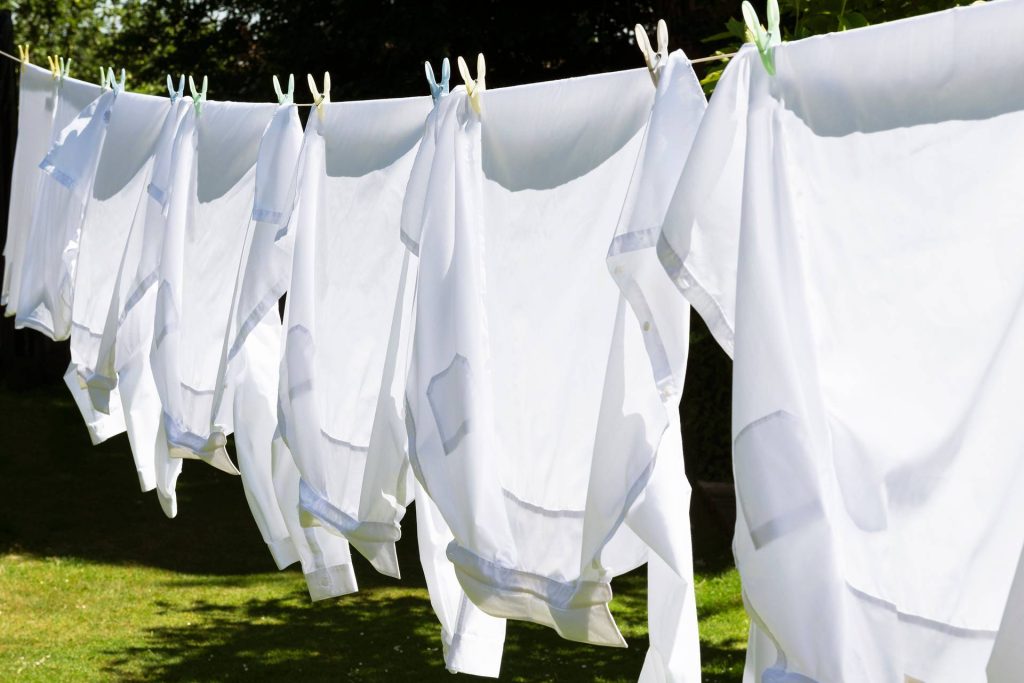
How White Clothes Become Dull Because of Hard Water
Another major reason white clothes become dull is hard water.
Hard water contains minerals such as calcium and magnesium. These minerals can build up on fabric surfaces during washing and create a thin coating that reduces brightness.
Over time, this buildup may make garments appear grey, stiff, or rough.
Many homeowners are unaware that their local water supply contributes to fabric dullness. Even high-quality detergents may struggle to remove mineral deposits completely.
Professional cleaning methods are often more effective at removing these residues and restoring fabric appearance.
White Clothes Become Dull When Residue Builds Up
A common reason white clothes become dull is the gradual accumulation of residue.
Detergent, fabric softener, body oils, perspiration, and environmental contaminants can remain trapped within fibres after washing.
These residues attract dirt and reduce the fabric’s ability to reflect light properly.
As a result, garments lose their crisp, bright appearance and begin to look older than they actually are.
Professional cleaning helps remove deep-seated residues that ordinary home washing may leave behind.
The Impact of Overusing Detergent
Many people assume that using more detergent results in cleaner clothing.
In reality, excessive detergent can create problems.
When too much detergent is added to a washing machine, not all of it may rinse away completely. Residue remains trapped within the fibres and gradually accumulates over time.
This buildup often contributes to dullness and can make white garments feel stiff or heavy.
Using the correct amount of detergent helps improve rinsing performance and reduces the risk of residue-related discoloration.
Why Mixing Colours with White Clothing Causes Problems
Another common mistake is washing white garments together with coloured items.
Even when colour transfer is not immediately visible, tiny amounts of dye may migrate from darker fabrics onto white garments during washing.
This gradual process can slowly reduce brightness and contribute to a grey appearance.
To maintain whiteness, white garments should always be washed separately from coloured clothing whenever possible.
This simple habit can significantly improve long-term colour retention.
The Effect of Fabric Age and Wear
As fabrics age, their fibres naturally experience wear and tear.
Repeated washing, daily use, and environmental exposure gradually affect fibre structure. Worn fibres reflect light differently than new fibres, making garments appear less bright.
Even when perfectly clean, older fabrics may not have the same visual brightness they once had.
This is a natural process, but proper care can slow it considerably.
Professional garment care helps minimise unnecessary wear and preserve fabric quality.
How Sunlight and Heat Affect White Fabrics
Sunlight and heat can also contribute to dullness.
While sunlight is often used to dry white clothing, excessive exposure may weaken fibres and affect fabric appearance over time.
High temperatures from dryers can cause similar issues by accelerating fibre degradation.
Repeated heat exposure may make fabrics appear less vibrant and contribute to long-term wear.
Gentle drying methods are generally recommended for preserving garment quality.
Why Body Oils and Perspiration Cause Discoloration
Body oils and perspiration are among the most common causes of dullness and yellowing.
These substances accumulate gradually, particularly around collars, cuffs, and underarm areas.
Ordinary washing may not always remove them completely. Over time, residues react with detergents and environmental contaminants, creating visible discoloration.
Professional cleaning methods are often more effective at removing these deep-seated contaminants.
This helps maintain both brightness and freshness.
The Role of Professional Dry Cleaning
Professional cleaning provides several advantages when dealing with dull white garments.
Unlike ordinary washing, professional processes use specialised solvents and cleaning techniques designed to remove difficult residues while protecting delicate fibres.
Professional cleaners also understand how different fabrics respond to treatment and can select the most appropriate cleaning method.
Luxury garments, delicate fabrics, and heavily discoloured items often benefit significantly from professional care.
This is one reason many people choose professional cleaning to restore brightness.
Common Mistakes That Make White Clothes Look Dull
Several everyday habits contribute to dullness.
These include:
- Using too much detergent
- Washing with coloured clothing
- Overloading the washing machine
- Ignoring stains
- Excessive heat exposure
- Infrequent deep cleaning
- Improper storage
- Using inappropriate cleaning products
Avoiding these mistakes can greatly improve garment appearance.
Tips for Keeping White Clothes Bright
There are several practical ways to maintain bright white clothing.
Wash white garments separately from coloured items.
Use the correct amount of detergent.
Choose appropriate water temperatures based on fabric care instructions.
Treat stains promptly before they become permanent.
Avoid excessive heat during drying.
Consider professional cleaning for delicate or valuable garments.
Store clothing in clean, dry environments away from contaminants.
These simple practices help preserve brightness and reduce discoloration.
Long-Term Benefits of Proper Garment Care
Maintaining white garments properly offers many benefits.
Bright clothing looks newer, cleaner, and more professional. Proper care also extends garment lifespan and reduces replacement costs.
Because white clothing often serves important roles in professional and formal settings, maintaining brightness can significantly improve overall appearance.
Good garment care also supports sustainability by reducing textile waste.
Sustainability and Fabric Preservation
Keeping garments wearable for longer periods reduces the need for replacement clothing.
Professional cleaning and proper maintenance help preserve fabrics and minimise waste.
Instead of discarding garments that have become dull, restoring and maintaining them allows continued use for many years.
This approach benefits both consumers and the environment.
Conclusion
Understanding why white clothes become dull is essential for maintaining bright, attractive, and long-lasting garments. Hard water, detergent residue, body oils, colour transfer, fabric wear, and improper washing habits all contribute to the gradual loss of brightness.
Fortunately, many of these problems can be prevented through proper washing techniques, careful storage, and professional garment care when needed.
By following these recommendations, you can keep white clothing looking fresh, clean, and vibrant while extending its lifespan and preserving its appearance for years to come.