7 Effective Ways to Remove Stains from White Clothes

To remove stains from white clothes effectively, you need the right techniques, proper timing, and a clear understanding of how different stains interact with fabric fibres. White garments are especially vulnerable because even the smallest stain is immediately noticeable and can quickly affect the overall appearance of the clothing. Learning how to remove stains from white clothes properly not only helps maintain brightness and cleanliness but also protects the fabric quality over time.
White clothing is often associated with freshness, elegance, and professionalism, but it also requires a higher level of care compared to darker garments. Every mark, whether it is from food, sweat, makeup, or environmental dust, becomes visible instantly. Without proper attention, these stains can settle deep into the fibres, leading to permanent discolouration, yellowing, or a dull appearance.
In this comprehensive guide, we will explore seven highly effective methods to remove stains from white clothes, along with practical insights, professional tips, and preventive strategies to keep your garments looking as clean and bright as possible.
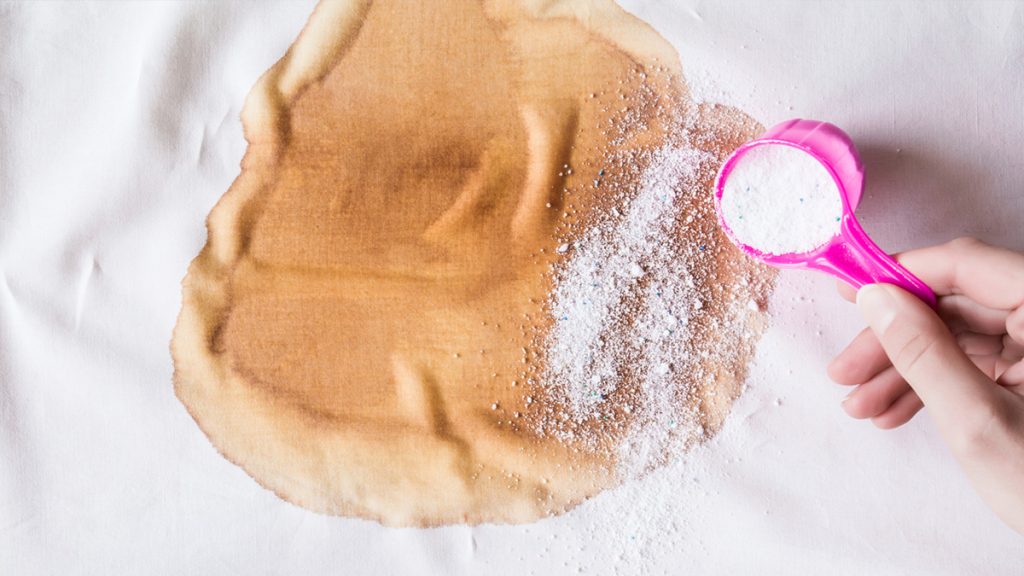
Why Stains Form and How to Remove Stains from White Clothes
Stains form when substances penetrate the fibres of fabric and bind with them at a molecular level. This process can happen within seconds, especially with liquids such as coffee, tea, wine, oil, or sauces. Once the stain settles, it becomes significantly harder to remove.
To remove stains from white clothes successfully, timing is critical. Acting quickly can prevent the stain from embedding deeper into the fabric. Fresh stains are always easier to treat compared to dried or heat-set stains.
It is also important to understand that not all stains behave the same way. Water-based stains such as juice, sweat, or dirt can usually be removed with basic cleaning methods, while oil-based stains require specialised treatments to break down grease and residue.
Best Methods to Remove Stains from White Clothes
There are several reliable and proven methods that can help remove stains from white clothes without causing damage to the fabric. Each method targets different types of stains and should be applied carefully.
1. Use Cold Water Immediately
Rinsing the stained area with cold water is one of the most effective first steps. Cold water helps dilute the stain and prevents it from bonding with the fibres. It is essential to act quickly and rinse from the back of the fabric to push the stain out rather than deeper in.
Hot water should be avoided at this stage, as it can set certain stains, especially protein-based ones like blood or sweat.
2. Apply Mild Detergent
Using a small amount of mild detergent directly on the stain helps break down oils and dirt. Gently working the detergent into the fabric allows it to penetrate the fibres and lift the stain.
Let the detergent sit for a few minutes before rinsing thoroughly. Avoid scrubbing aggressively, as this can damage the fabric.
3. Use Baking Soda for Tough Stains
Baking soda is a natural and effective cleaning agent. It works well for lifting stains and neutralising odours. Creating a paste with water and applying it directly to the stained area can help remove stains from white clothes more effectively.
Leave the paste on for a short period before rinsing. This method is especially useful for sweat stains and mild discoloration.
4. White Vinegar for Odour and Stains
White vinegar is another powerful natural solution. It helps dissolve residue and restore fabric brightness. It is particularly effective for removing odours and light stains caused by sweat.
Mixing vinegar with water and applying it to the stained area can improve cleaning results while keeping the fabric safe.
5. Lemon Juice for Natural Whitening
Lemon juice contains natural acids that act as a mild bleaching agent. It is useful for removing light stains and restoring brightness.
Applying lemon juice to the stain and exposing the garment to sunlight can enhance its effect. However, this method should be used carefully to avoid over-bleaching delicate fabrics.
6. Hydrogen Peroxide for Deep Cleaning
Hydrogen peroxide is commonly used for removing deeper stains. It works as a mild oxidising agent that breaks down organic matter such as blood, sweat, and food stains.
Apply it carefully and test on a small hidden area first to avoid any unwanted fabric reaction.
7. Professional Cleaning for Persistent Stains
When stains are stubborn or delicate fabrics are involved, professional cleaning is often the best solution. Professional services use specialised techniques and controlled processes to remove stains without damaging the fabric.
This is particularly important for expensive or delicate garments that require extra care.
Common Mistakes When Trying to Remove Stains from White Clothes
Many people unknowingly make mistakes that can worsen stains instead of removing them.
One common mistake is rubbing the stain aggressively. This can spread the stain and weaken the fabric fibres. Another mistake is applying heat too early, which can lock the stain permanently into the fabric.
Using excessive detergent is also problematic. It can leave residue on the fabric, making it appear dull and stiff. Understanding these mistakes is essential if you want to remove stains from white clothes effectively.
Fabric Types and Stain Removal
Different fabrics react differently to stain removal methods, and this should always be considered.
Cotton is relatively durable and can handle stronger cleaning solutions. However, delicate fabrics such as silk, wool, and blends require much gentler care.
To remove stains from white clothes safely, always identify the fabric type before applying any cleaning method. Using the wrong solution can cause irreversible damage.
How Drying Affects Stains
Drying plays a crucial role in the stain removal process.
If a stain is not fully removed before drying, heat can permanently set it into the fabric. This makes future removal much more difficult or even impossible.
Always inspect garments carefully before placing them in a dryer. If any stain remains, repeat the cleaning process.
Proper drying techniques are just as important as washing when trying to remove stains from white clothes.
Preventing Future Stains
Prevention is one of the most effective ways to maintain clean white clothing.
Simple habits such as treating stains immediately, wearing protective clothing when necessary, and washing garments correctly can significantly reduce the risk of staining.
Storing clothes properly and avoiding exposure to oils, dirt, and environmental pollutants also helps maintain their condition.
Additional Care Tips for White Clothing
Maintaining white clothes goes beyond stain removal. Regular care routines can help keep garments bright and fresh.
Using separate loads for white clothing, avoiding mixing with coloured items, and using appropriate washing cycles can prevent discolouration.
Periodic deep cleaning or professional care can also restore brightness and remove hidden residue that builds up over time.
Conclusion
Learning how to remove stains from white clothes is essential for maintaining a clean, polished, and long-lasting wardrobe. By understanding how stains form and applying the right techniques, you can effectively treat most stains at home while protecting fabric quality.
From simple solutions like cold water and detergent to more advanced treatments such as hydrogen peroxide or professional cleaning, each method plays an important role.
By following these strategies and avoiding common mistakes, you can keep your white clothes looking bright, fresh, and stain-free for much longer, ensuring they always look their best.