Which Stains on White Clothes Require Dry Cleaning?
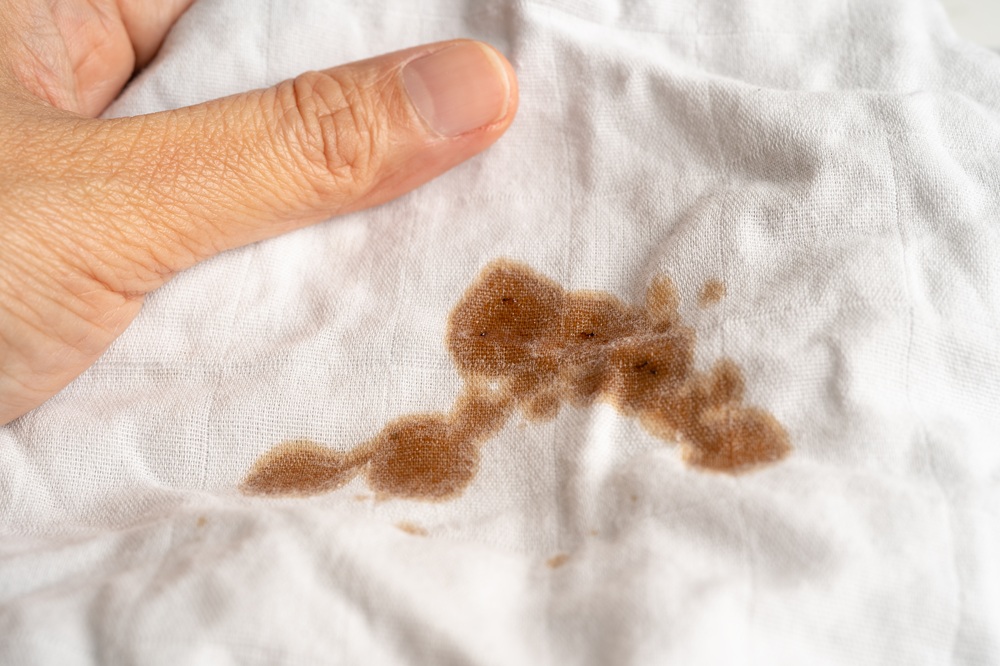
White clothes require dry cleaning more often than many people realise, especially when certain stains become too difficult or risky to remove using standard home washing methods. White garments are beautiful, elegant, and versatile, but they are also highly vulnerable to visible staining. Even small marks can stand out dramatically against a white background, making proper stain removal extremely important.
While many everyday stains can be treated at home, some types of contamination penetrate deep into fabric fibres or react chemically with the material. Attempting to remove these stains without professional knowledge may cause permanent discoloration, fabric damage, or even make the stain more difficult to remove.
Professional dry cleaning uses specialised solvents, stain-removal techniques, and controlled cleaning processes that are specifically designed to handle difficult stains while protecting delicate fabrics. Understanding which stains require professional treatment can help extend the life of your favourite white garments.
In this guide, we will explore the most common stains that require professional care and explain why dry cleaning is often the safest solution.
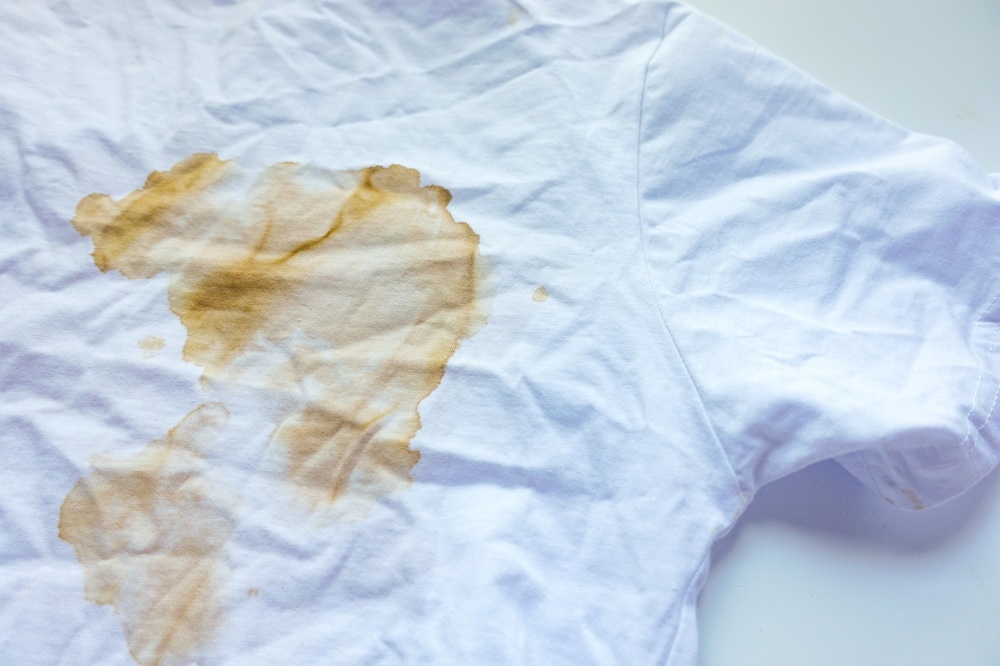
Why White Clothes Require Dry Cleaning for Oil-Based Stains
One major reason white clothes require dry cleaning is the presence of oil-based stains.
Unlike water-based stains, oils do not dissolve easily during regular washing. Cooking oil, grease, butter, salad dressing, motor oil, and cosmetic products can penetrate deep into fabric fibres and remain trapped even after multiple washes.
Many homeowners attempt to scrub these stains aggressively, but this often spreads the oil further into the fabric.
Professional dry cleaners use specialised solvents that are specifically designed to break down oils and grease without damaging the garment.
Because white clothing shows oil marks very clearly, professional treatment often produces significantly better results.
White Clothes Require Dry Cleaning for Makeup and Cosmetic Stains
Another reason white clothes require dry cleaning is makeup contamination.
Foundation, lipstick, mascara, concealer, and cosmetic powders often contain oils, pigments, and waxes that are difficult to remove completely.
These substances can leave visible discoloration on white fabrics, especially when stains are allowed to sit for extended periods.
Dry cleaning professionals understand how different cosmetic products react with various fabrics and use targeted stain-removal techniques accordingly.
This reduces the risk of spreading pigments or causing permanent marks.
White Clothes Require Dry Cleaning When Stains Have Set Deeply
A common situation where white clothes require dry cleaning is when stains have been ignored for too long.
Fresh stains are usually easier to remove than old ones. Once contaminants have penetrated deeply into fabric fibres, ordinary washing may no longer be sufficient.
Heat from dryers can make the situation even worse by setting stains permanently into the fabric.
Professional cleaners use specialised pre-treatment methods that target deeply embedded contaminants before the main cleaning process begins.
This significantly improves the chances of successful stain removal.
Wine and Beverage Stains
Red wine is one of the most feared stains on white clothing.
Coffee, tea, fruit juice, and coloured soft drinks can also leave highly visible marks. These beverages contain pigments and tannins that bond strongly with fabric fibres.
Many home remedies may reduce the appearance of these stains temporarily but often fail to remove them completely.
Professional dry cleaning provides a more controlled and effective approach, especially when dealing with delicate fabrics or expensive garments.
Early treatment significantly increases the likelihood of complete removal.
Ink Stains and Permanent Marker Contamination
Ink stains can be particularly challenging.
Pens, markers, printer ink, and certain art supplies contain pigments designed to remain permanent. These substances often spread quickly through fabric fibres and can become difficult to remove without specialised products.
Attempting to scrub ink may cause it to spread even further.
Professional cleaners use targeted solvents that break down ink components while minimising fabric damage.
This is often the safest option for valuable white garments.
Blood and Protein-Based Stains
Blood stains require careful treatment because they contain proteins that react differently than many other contaminants.
Hot water may actually worsen blood stains by causing proteins to bond more strongly with fibres.
Other protein-based stains include sweat, dairy products, eggs, and bodily fluids.
Professional cleaners understand the chemistry behind these stains and use suitable cleaning methods to maximise stain removal success.
This expertise helps reduce the risk of permanent discoloration.
Perspiration and Yellow Underarm Stains
One of the most common problems affecting white garments is yellow underarm staining.
Sweat itself is often not the primary cause. Instead, the combination of perspiration, body oils, deodorants, and antiperspirants creates chemical reactions that gradually produce yellow marks.
These stains can become increasingly difficult to remove over time.
Professional cleaning helps eliminate both visible discoloration and the invisible residues that contribute to future staining.
This helps maintain garment brightness and freshness.
Food Stains That Require Professional Treatment
Certain food stains are more challenging than others.
Tomato sauces, curry, chocolate, berries, soy sauce, and oily foods often contain strong pigments that can stain white fabrics permanently.
These stains may combine oils, proteins, and colour compounds, making removal particularly difficult.
Professional cleaners evaluate each stain individually and select the most effective treatment method based on its composition.
This tailored approach improves results significantly.
Delicate White Fabrics Need Extra Care
Not all white garments can tolerate aggressive cleaning methods.
Silk, wool, satin, lace, velvet, and designer fabrics require specialised handling. Even when the stain itself is relatively minor, the fabric may be too delicate for ordinary washing.
Dry cleaning provides a gentler cleaning process that helps protect texture, shape, and colour.
This makes professional treatment particularly valuable for luxury garments.
Why Home Stain Removal Sometimes Fails
Many people rely on household stain-removal products without fully understanding how stains interact with fabrics.
Using the wrong product can sometimes lock stains into fibres permanently. Excessive scrubbing may also damage delicate materials.
Bleach is another common mistake. While it can brighten some white fabrics, excessive use may weaken fibres and cause yellowing over time.
Professional cleaning reduces these risks through controlled processes and specialised expertise.
Long-Term Benefits of Professional Stain Removal
Professional dry cleaning offers benefits beyond simple stain removal.
It helps preserve garment appearance, extend fabric lifespan, and maintain structural quality.
White garments often represent significant investments, especially formal wear, business attire, and luxury clothing.
Proper care helps protect that investment while maintaining a clean and polished appearance.
Regular professional cleaning can also help prevent future staining by removing residues that attract dirt and contaminants.
Sustainability and Garment Preservation
Maintaining clothing properly supports sustainable fashion practices.
Instead of replacing stained garments, professional cleaning helps restore them and keep them wearable for longer periods.
This reduces textile waste and lowers the environmental impact associated with clothing replacement.
Extending garment lifespan is both economically and environmentally beneficial.
Conclusion
Understanding why white clothes require dry cleaning is essential for maintaining bright, attractive, and long-lasting garments. Oil-based stains, makeup, wine, ink, blood, food stains, and deep-set discoloration often require professional treatment to achieve the best results.
Professional dry cleaning combines specialised solvents, advanced stain-removal techniques, and fabric-safe cleaning processes that protect delicate materials while effectively removing difficult stains.
By seeking professional care when necessary, you can preserve the appearance, quality, and longevity of your white garments while keeping them looking fresh, clean, and elegant for years to come.