How to Prevent Silk Clothes from Fading
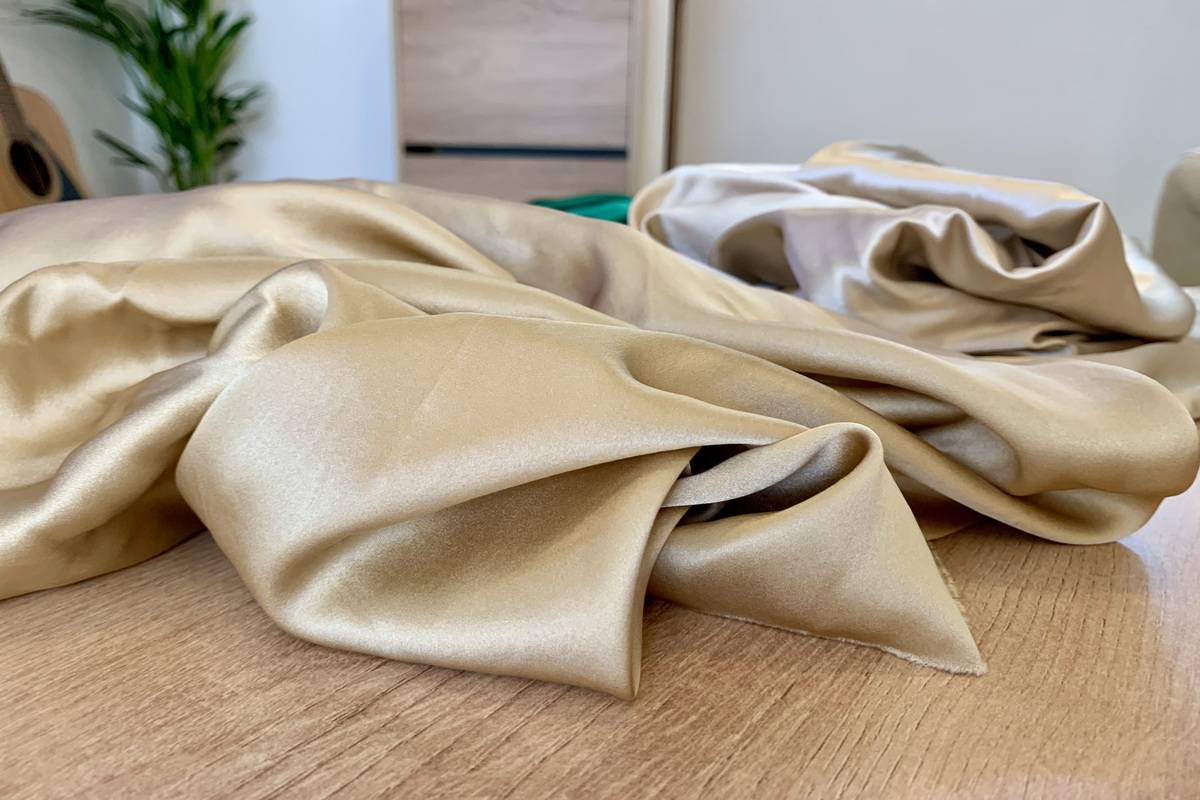
Silk clothes from fading is a concern shared by many people who own luxurious silk garments. Silk is one of the most elegant and delicate fabrics in the world, valued for its smooth texture, natural shine, and lightweight comfort. However, silk is also highly sensitive to sunlight, heat, moisture, and improper cleaning techniques. Learning how to protect silk clothes from fading is essential if you want your garments to maintain their original beauty and colour for years.
Unlike many synthetic fabrics, silk fibres are natural and highly absorbent. This means they can react quickly to environmental conditions and cleaning products. Even minor mistakes in washing, drying, or storing silk garments may gradually reduce colour intensity and affect fabric quality.
Whether you own silk dresses, blouses, scarves, shirts, or formal wear, proper care can significantly extend the lifespan of your clothing. In this guide, we will explore the causes of colour loss and provide practical methods to prevent fading while maintaining the luxurious appearance of silk garments.
Protecting Silk Clothes from Fading Through Proper Washing
One of the most effective ways of protecting silk clothes from fading is choosing the correct cleaning method.
Many people damage silk unintentionally by washing it with regular detergents or exposing it to high temperatures. Silk fibres are delicate and require special treatment. Harsh chemicals may weaken the fibres and affect the dye used in the fabric.
Professional dry cleaning is often the safest option because it uses specialised solvents that clean the fabric without excessive moisture or agitation. These solvents remove dirt and oils gently while helping preserve colour and texture.
If hand washing is recommended by the garment manufacturer, always use cold water and a detergent specifically designed for delicate fabrics. Avoid scrubbing, twisting, or wringing silk garments because these actions may contribute to fading and fibre damage.
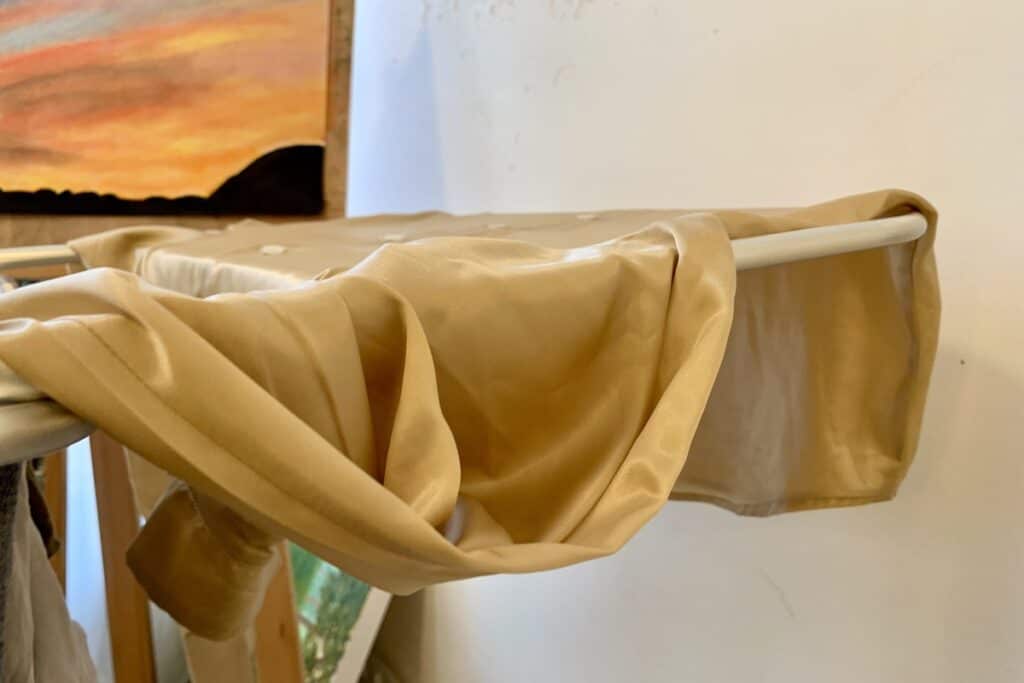
Silk Clothes from Fading by Avoiding Direct Sunlight
Another important strategy for protecting silk clothes from fading is limiting exposure to direct sunlight.
Ultraviolet rays are one of the biggest causes of colour loss in silk fabrics. When silk garments remain in direct sunlight for long periods, the dye molecules gradually break down, causing colours to appear dull and faded.
Brightly coloured silk garments are particularly vulnerable because colour changes become more noticeable over time.
To minimise this risk, always dry silk garments indoors or in shaded areas. Avoid hanging silk near windows where direct sunlight may reach the fabric daily.
Silk Clothes from Fading Through Proper Storage
A major factor in preventing silk clothes from fading is correct storage.
Silk garments should be stored in cool, dry environments with stable temperatures. Excessive heat and humidity can weaken fibres and contribute to colour deterioration.
Breathable garment bags are recommended because they allow airflow while protecting fabrics from dust and environmental contaminants. Plastic covers should generally be avoided because they can trap moisture and increase the risk of discoloration.
Using padded hangers also helps maintain garment shape while reducing stress on delicate fibres.
Why Heat Is Harmful to Silk Fabrics
Heat is one of the most common causes of damage to silk garments.
High temperatures can weaken fibres, reduce flexibility, and accelerate fading. Tumble dryers, radiators, and direct ironing without protection can all contribute to colour loss.
Even hot water may affect silk negatively if used repeatedly.
When ironing silk garments, use the lowest heat setting available and place a clean cloth between the iron and the fabric. This creates a protective barrier and reduces direct heat exposure.
Many garment care specialists recommend gentle steaming as a safer alternative to traditional ironing.
Choosing the Right Detergent for Silk
The detergent you use plays a major role in preserving silk garments.
Standard laundry detergents often contain strong cleaning agents designed for more durable fabrics. These chemicals may damage silk fibres and affect colour stability.
Instead, choose products specifically designed for silk or delicate garments. These detergents clean effectively while helping maintain softness and colour vibrancy.
Bleach should never be used on silk because it can permanently damage both the fabric and its dye.
The Importance of Professional Dry Cleaning
Professional dry cleaning offers several advantages for silk garments.
First, it removes dirt, oils, and contaminants without saturating fibres with water. Second, it reduces mechanical stress because garments are not subjected to aggressive washing machine cycles.
Professional cleaners also understand how different silk types react to cleaning methods. Their expertise allows them to choose the safest approach for preserving colour and fabric quality.
Because of these benefits, many luxury silk garments are labelled “Dry Clean Only.”
Common Causes of Silk Fading
Understanding the causes of fading helps prevent future damage.
Some of the most common causes include:
- Direct sunlight exposure
- High temperatures
- Harsh detergents
- Excessive washing
- Poor storage conditions
- Chemical exposure
- Body oils and perspiration
- Environmental pollutants
Identifying these factors allows you to make better decisions about garment care.
How Often Should Silk Be Cleaned?
Over-cleaning can be just as harmful as improper cleaning.
Silk garments should only be cleaned when necessary. If an item remains clean after wearing, allowing it to air out may be sufficient.
Formal garments often require less frequent cleaning than everyday clothing. The ideal cleaning schedule depends on how often the garment is worn and the conditions it is exposed to.
Cleaning only when necessary helps preserve fibre strength and colour quality.
Daily Habits That Protect Silk Garments
Small daily habits can have a significant impact on garment longevity.
Allow silk garments to breathe after wearing them. Avoid spraying perfume directly onto the fabric, as chemicals may affect the dye.
Keep silk away from rough surfaces that may create friction. Rotate garments regularly rather than wearing the same item repeatedly.
Prompt stain treatment is also important because stains become more difficult to remove over time.
These simple practices contribute significantly to long-term garment preservation.
Long-Term Benefits of Proper Silk Care
Taking proper care of silk garments provides many benefits.
Well-maintained silk clothing retains its softness, shine, colour, and luxurious appearance for much longer. Proper care also reduces the need for expensive repairs or replacement garments.
Because silk garments are often valuable, preserving them correctly protects both their appearance and their financial value.
In addition, extending garment lifespan supports sustainable fashion practices by reducing waste.
Conclusion
Understanding how to protect silk clothes from fading is essential for maintaining the beauty and quality of silk garments. Sunlight, heat, improper washing, harsh chemicals, and poor storage conditions can all contribute to colour loss over time.
By using gentle cleaning methods, avoiding excessive heat and sunlight, storing garments correctly, and relying on professional dry cleaning when necessary, you can significantly reduce fading and preserve the elegance of silk fabrics.
With proper care, silk garments can remain vibrant, soft, luxurious, and visually stunning for many years, allowing you to enjoy their beauty long into the future.